Jaecoo’s plug-in hybrid (PHEV) SUV serves up fuel consumption figures that are genuinely hard to argue with. Whether that’s enough to justify its price in a suddenly competitive market is a more interesting question.
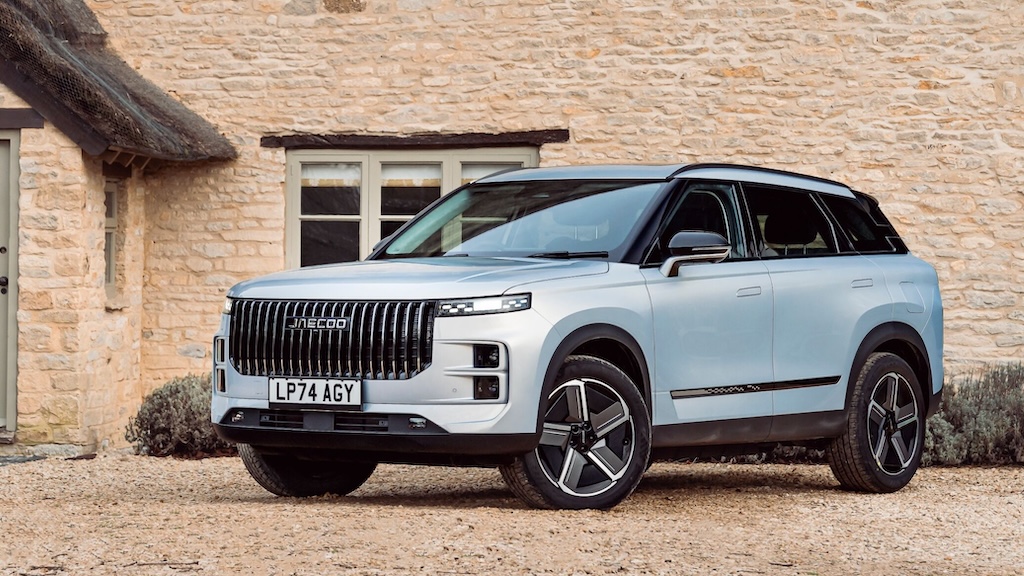
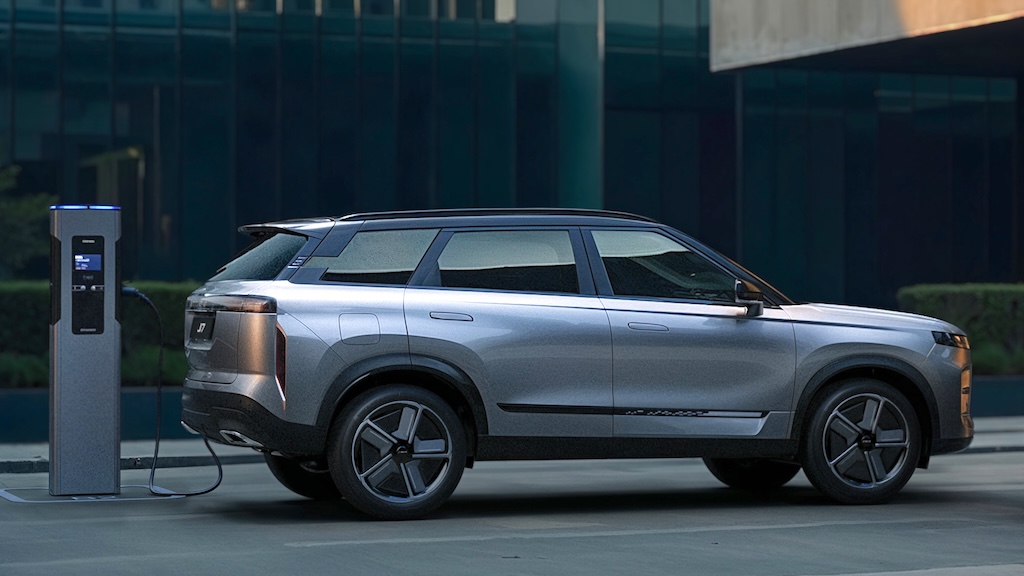
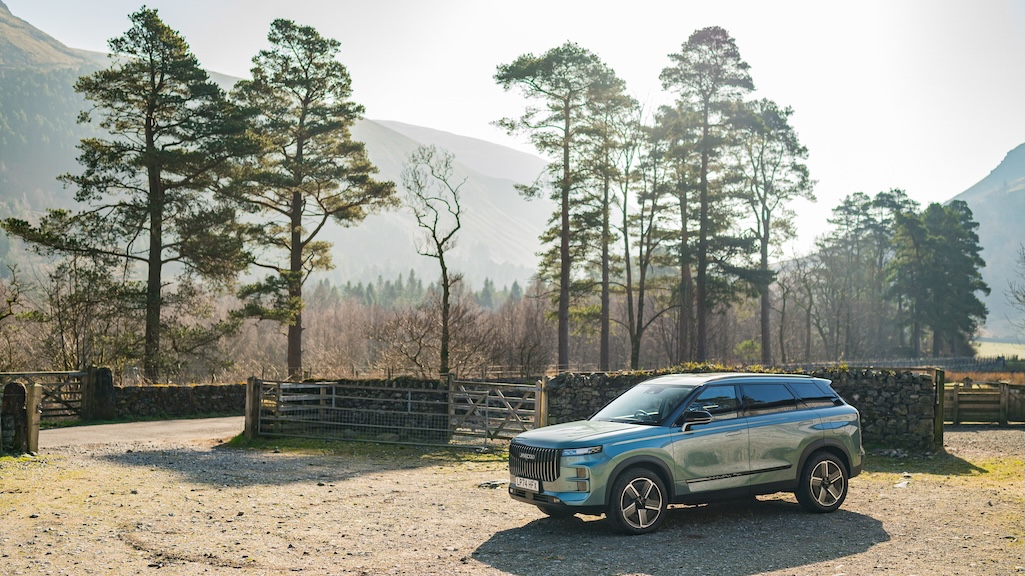
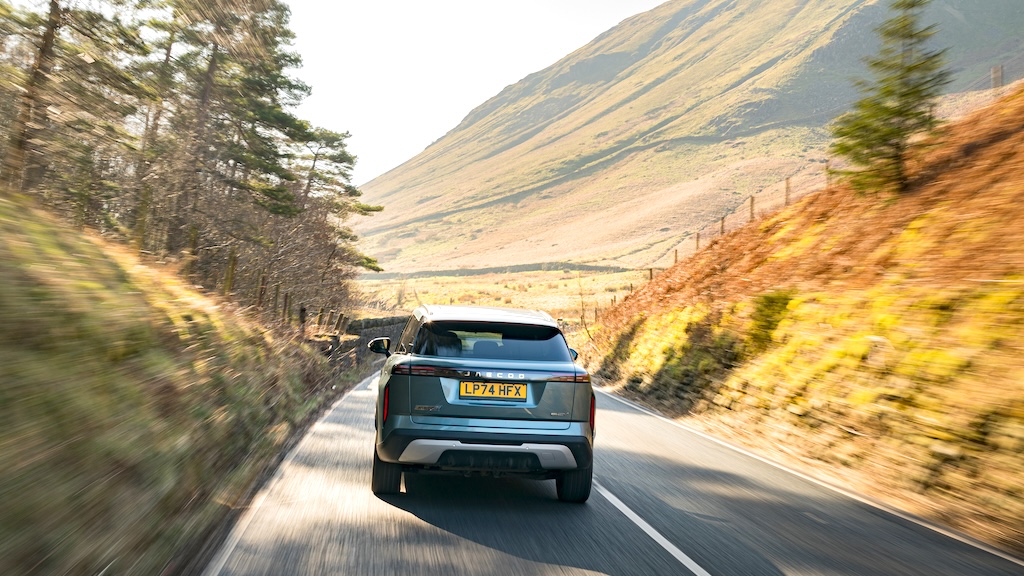
The test car we spent a week with came in a silvery blue-grey that I’d struggle to adequately describe in words. It’s one of those colours that changes depending on the light, and in a good sunrise it’s genuinely beautiful. If you’re buying a J7 SHS, this is the colour.
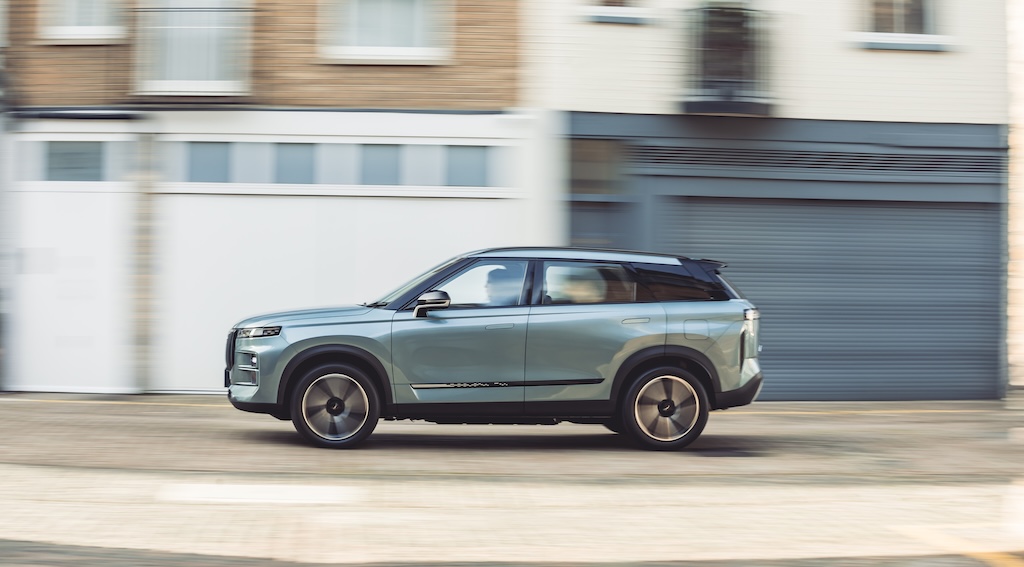
The blacked-out pillars give it a Range Rover-ish floating-roof look, and Jaecoo isn’t particularly subtle about this. The design is quite square, all decisive angles, though there’s enough movement in the profile lines to save it from looking like something you’d use to cross the Serengeti. It’s a good-looking thing.
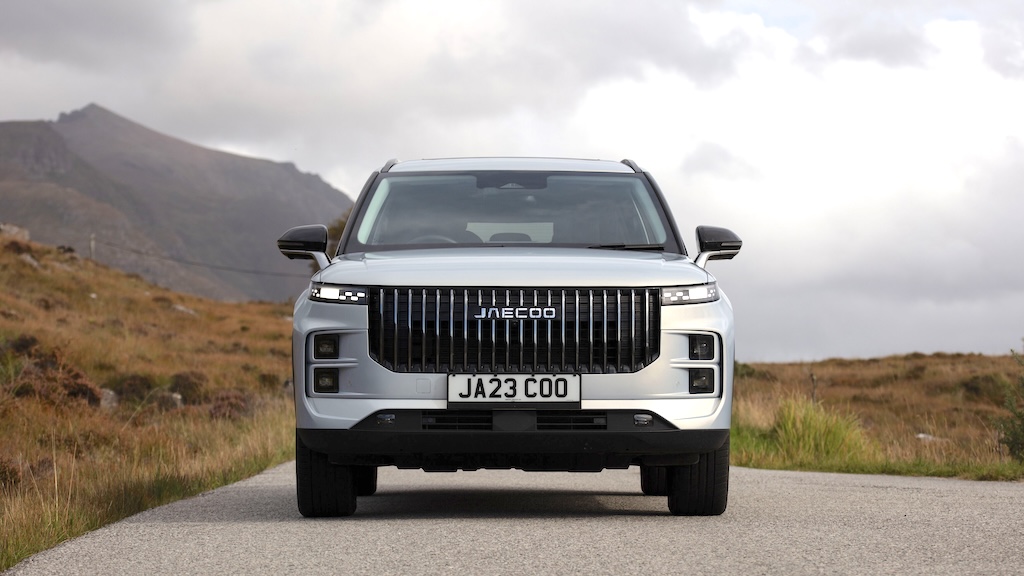
Flush pop-out door handles are standard issue these days, started by Tesla and now seemingly mandatory. On this car they work well, with a light and effortless action that makes the Mercedes-Benz EQS unit feel like it was designed by a gym instructor. My reservations about pop-out handles are general rather than specific: they’re yet another potential failure point, and cars at this price need to be reliable above all else.
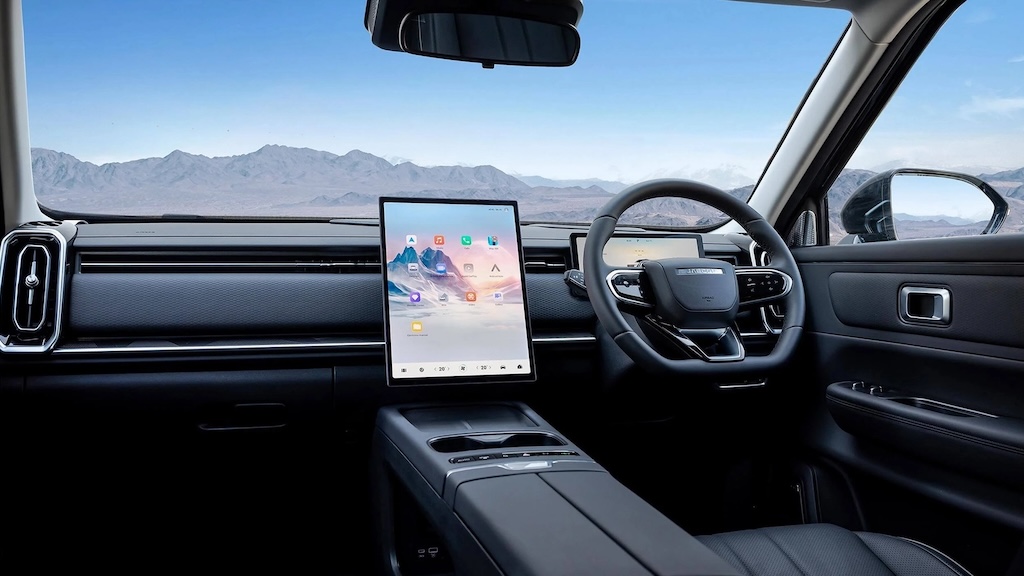
Inside
This is what Chinese cars do well, and the J7 SHS does it particularly well: it makes the cabin feel more expensive than the price tag suggests. The materials are genuinely good throughout. Soft where it should be soft, solid where it shouldn’t flex, with a right-elbow rest position that’s comfortable on long drives. The panoramic sunroof is enormous, the ambient lighting is easy to adjust, and the wide vanity mirrors have individual lights on both sides, which sounds like a small thing until you’re trying to make yourself look presentable in a dark parking lot.
There are eight airbags, according to Jaecoo, though they’re not labelled on the A-pillar, which is an odd omission. The driver-side controls for adjusting the front passenger seat are a thoughtful touch: no reaching across. The rubber mats look the part and have locating eyelets, but there are no anchor points in the floor for them to clip into, so they slide around. Someone designed half a system.
The USB-C port is on the passenger side of the centre tunnel. As the driver, this is your problem to solve. It works fine if you just leave your cable permanently in place, but it’s not what you’d call thoughtful packaging. The telescopic steering reach adjustment is also a bit limited: the wheel sat slightly closer than I’d have liked, even with the seat adjusted.
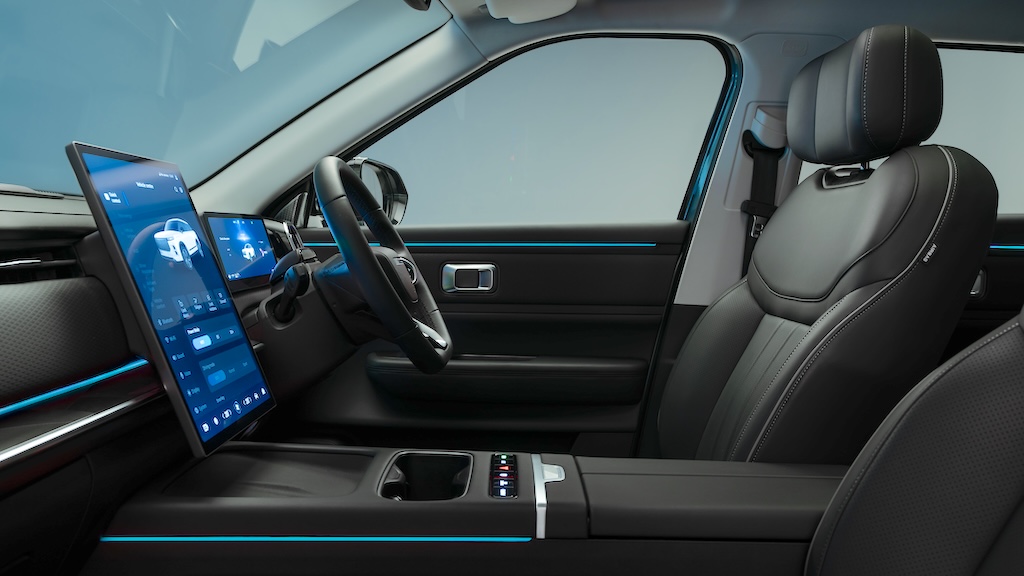
The screens
There’s a lot of screen real estate in the J7 SHS: a long instrument cluster and a substantial central tablet, both sharp and bright. The hardware is fine. The software is where things get complicated. Not much about this infotainment system is intuitive, and you’ll want to spend time with the owner’s manual before you head out. At one point the steering wheel’s volume buttons started controlling something called
“voice volume” rather than media volume. Whose voice? Which voice? I never found out.
On the plus side, physical buttons exist for the air conditioning and windscreen defogging, which means you’re not hunting through menus when the windows fog up on a rainy morning. The auto-defogging that activates on its own when it detects conditions is genuinely useful. Android Auto is supported, and when it failed to connect on one occasion, the built-in navigation stepped in without fuss. The ambient lighting adjusts easily, and you can set it to pulse with the music, if that’s the vibe you’re going for. The Sony audio system is adequate.
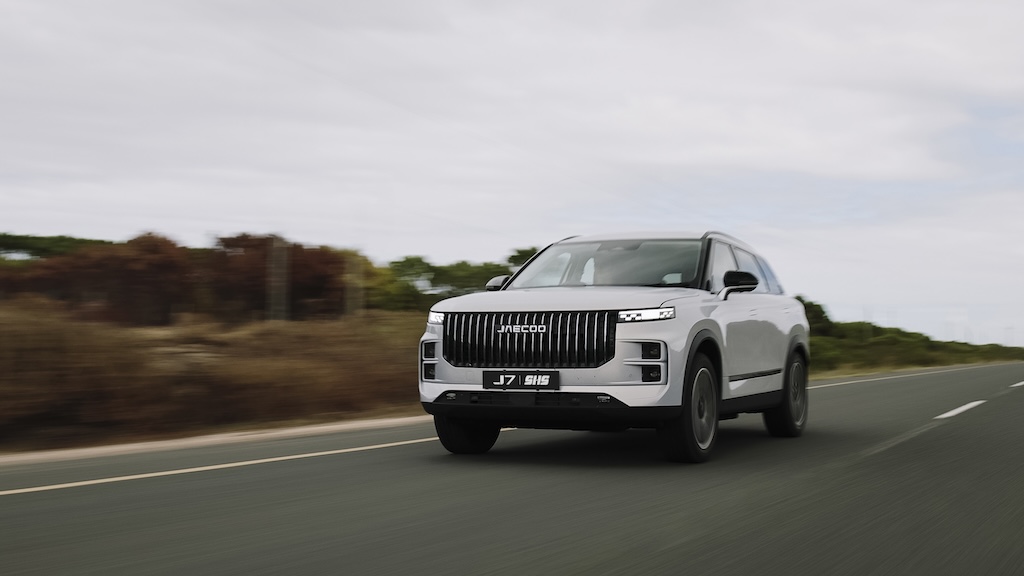
On the road
The steering feel is vague in a way that recalls older, heavier off-roaders: there’s enough play in the centre to make cornering feel imprecise at speed. The throttle can be a bit eager too, particularly on light inputs. Three drive modes (Eco, Normal, and Sport) give you some control over this, and Sport sharpens the responses noticeably, without fully resolving the steering feel.
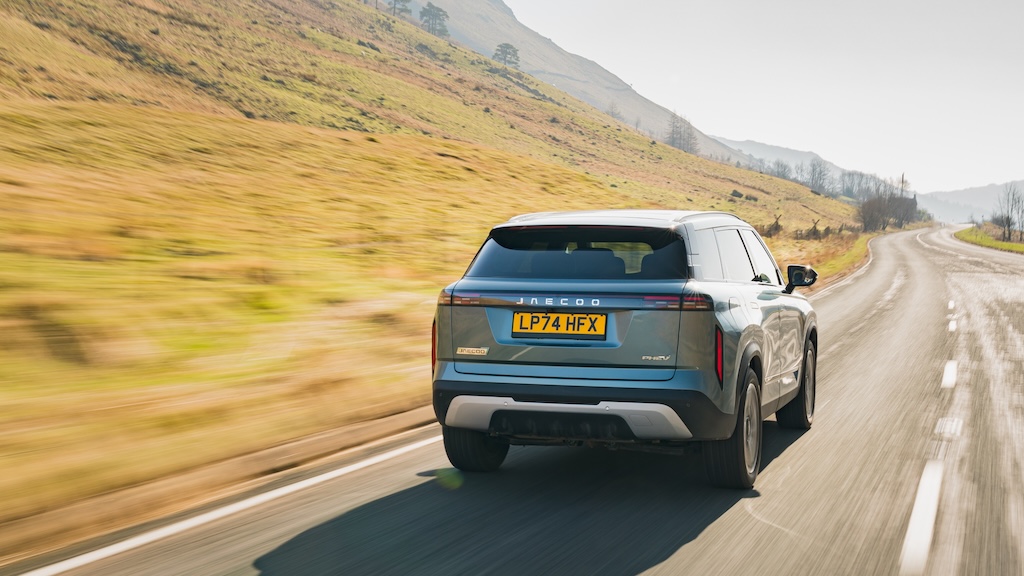
On smooth surfaces the ride is quiet and composed, with very little engine noise or wind intrusion. The 235/50 R19 tyres transmit more than you’d like over rougher road surfaces, which is a common consequence of the large-diameter, low-profile rubber that’s currently fashionable. The wide-angle rear-view mirror lets you see most of the rear passengers without craning. The wipers make a brief soft squeak at the top of their arc, noticeable in an otherwise quiet cabin.
The SHS system
SHS stands for Super Hybrid System, and the engineering behind it is genuinely interesting. A turbocharged 1.5-litre petrol engine pairs with a 150 kW electric motor through a Dedicated Hybrid Transmission, with combined outputs of 255 kW and 525 Nm to the front wheels, Jaecoo claims. The 18.3 kWh battery gives a claimed 90 km of all-electric range, and Jaecoo claims 1 200 km on a full charge and full tank. Officially, fuel consumption is listed at 4.7 L/100 km.
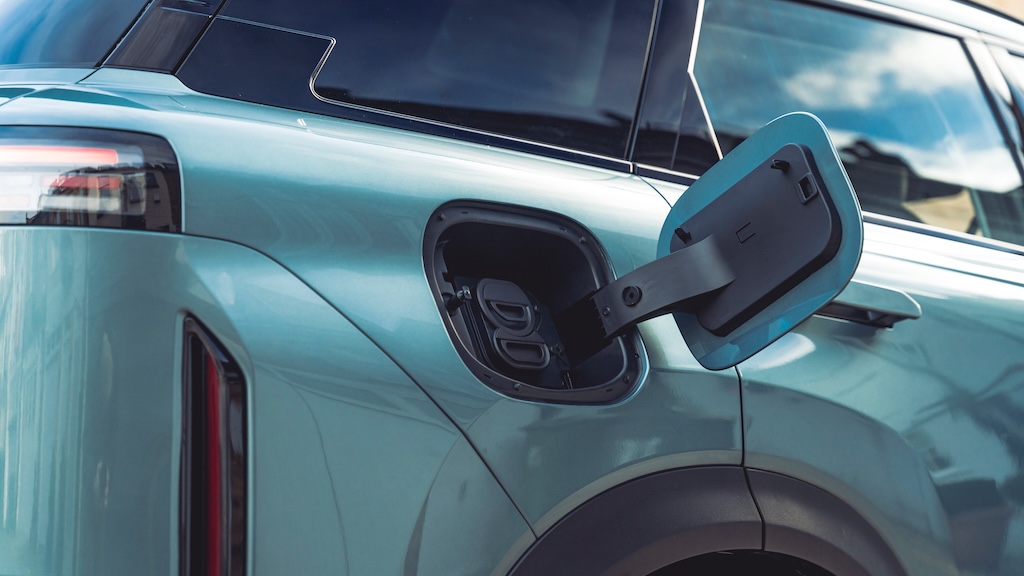
In the real world, after a mix of open-road and urban driving with the battery depleted and the car running purely on the hybrid system, we saw 3.5 L/100 km on the trip computer. For a car of this size and performance, that’s remarkable.
The system moves between full electric, series hybrid, parallel hybrid, and regenerative modes depending on what’s needed, and it does so seamlessly. For someone with a charging point at home, the daily running costs would be minimal.
Where it sits in the market now
The competitive picture has shifted since the J7 SHS arrived. South Africa’s PHEV market has grown quickly, and the Jaecoo no longer operates in a vacuum. The most affordable entry point into plug-in hybrid motoring is now the BYD Sealion 5 Comfort at R499 900, which is R190 000 less than the Jaecoo.
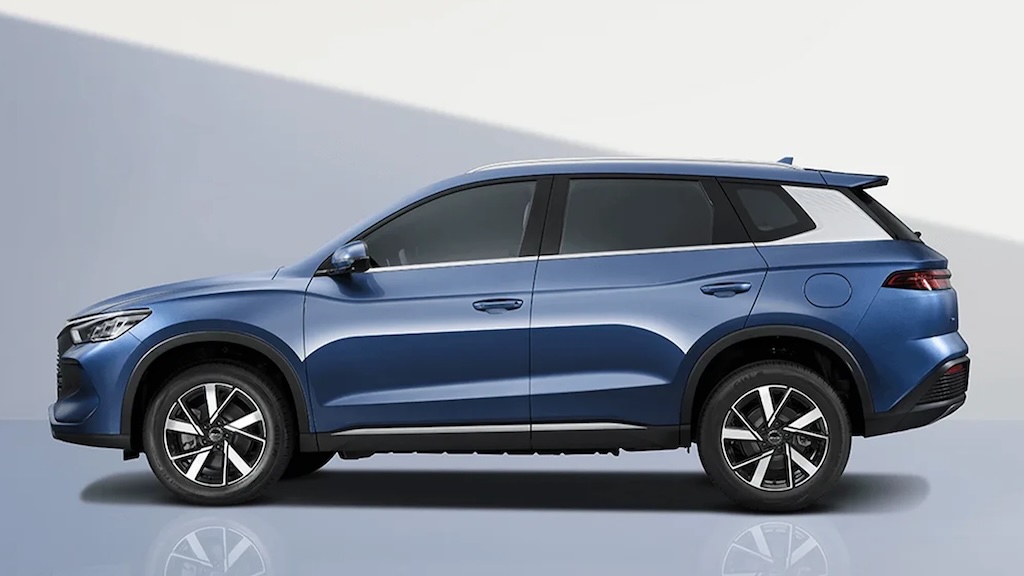
The Sealion 5 (above) is also physically larger: 4 738 mm long against the J7’s 4 500 mm, with a 2 712 mm wheelbase versus 2 672 mm. Its all-electric range is shorter at 52 km, and combined range is lower at 1 000 km, but for buyers focused primarily on cost of entry, it’s a serious consideration.
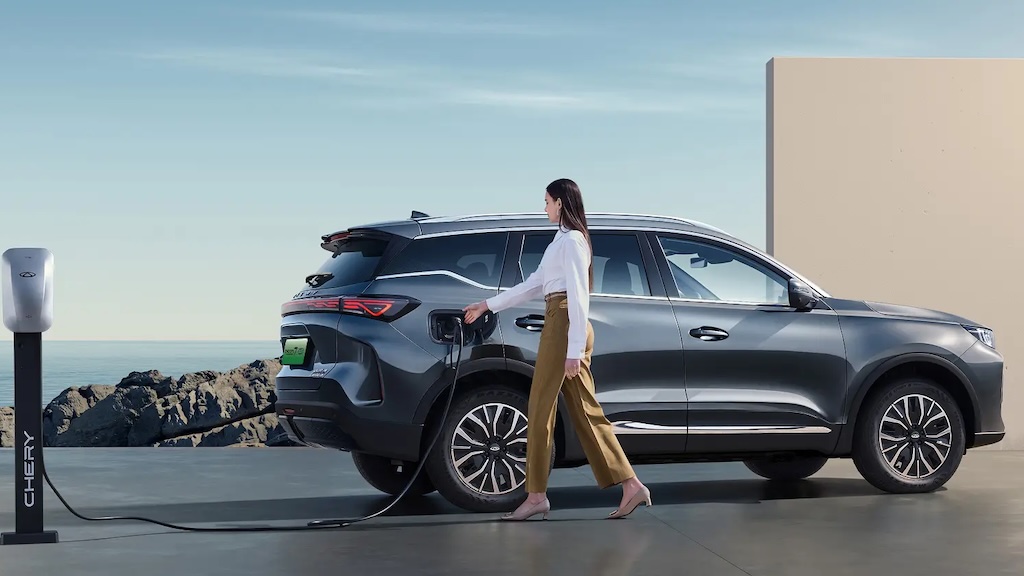
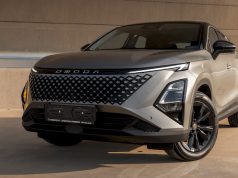
The Chery Tiggo 7 1.5T CSH Plug-In Hybrid Plus (above) sits between them at R599 900, and on paper it’s a strong proposition: 93 km of electric range (more than either BYD or the Jaecoo), 1 200 km combined range, and eight airbags, all for R90 000 less than the J7 SHS.
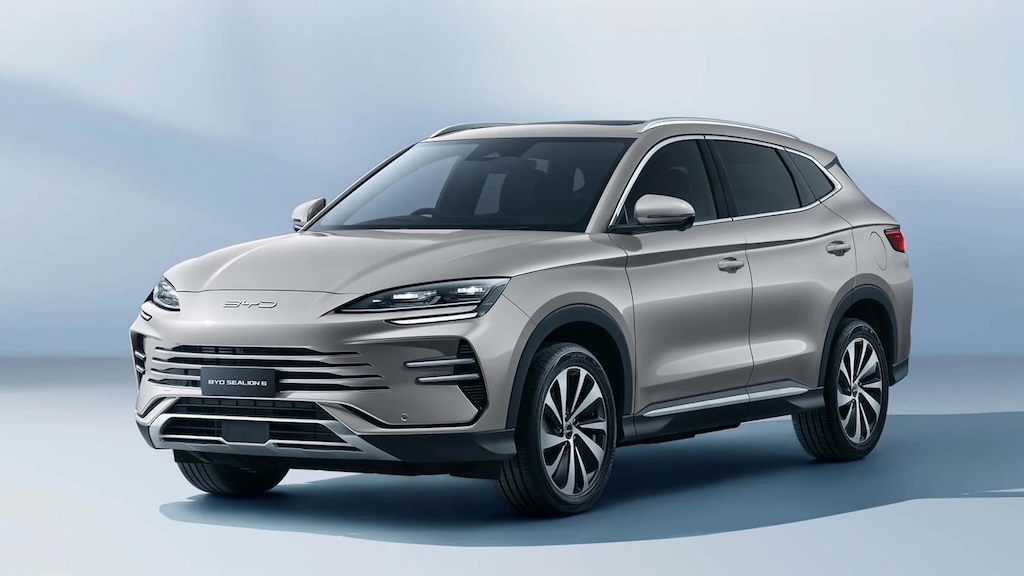
At the other end, the BYD Sealion 6 Dynamic (above) comes in at R696 900, just R7 000 more than the Jaecoo, with a longer wheelbase (2 765 mm) and more interior space, though its claimed electric range (80 km) and combined range (1 080 km) trail the Jaecoo’s figures.
This doesn’t kill the J7 SHS’s case, but it complicates it. The Jaecoo has advantages in design, interior quality, and that warranty package, but the price gap between it and the Sealion 5 is wide enough to make a careful buyer sit down with a spreadsheet.
Verdict and rating
The J7 SHS is a car I liked more than I expected to, with reservations I couldn’t entirely shake. The cabin is genuinely impressive for the money, the fuel consumption figures are remarkable, and the warranty (seven years on the vehicle, ten years on the engine and battery for the first owner) reflects genuine confidence in the hardware.
The infotainment logic needs work. The steering won’t satisfy drivers who care about feedback. The USB port placement is baffling. And there’s a recurring sense of unevenness: brilliant in some areas, inexplicably clumsy in others, as though the engineering and software teams didn’t spend enough time in the same room.
The bigger question, though, is the market it now finds itself in. At R689 900, it’s no longer the only affordable PHEV option. If you want the lowest possible entry price into plug-in hybrid motoring in South Africa, the Sealion 5 at R499 900 is now the answer, and it’s a bigger car. The Chery Tiggo 7 CSH Plus, at R599 900, also makes a strong argument.
What the Jaecoo offers, specifically, is the combination of a handsome interior, those genuinely impressive real-world consumption figures, and a design that doesn’t embarrass itself next to more expensive metal. That’s a reasonable package. Just don’t assume, as you might have a year ago, that it’s the obvious choice.
4.0 out of 5.0 starsSpecifications
Price: R 689 900 | Engine: 1.5-litre turbocharged 4-cylinder + electric motor | Combined power: 255 kW (claimed) | Torque: 525 Nm (claimed) | Transmission: Dedicated Hybrid Transmission (DHT), front drive | 0-100km/h: 8,55 seconds | Top speed: unknown | Fuel consumption: 3,5ℓ/100km (indicated)